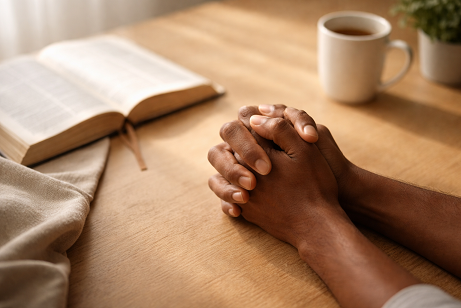
Understanding the Power and Practice of Prayer
Prayer is one of the most powerful habits a person can develop.
It’s not just something we do in church or during special moments. Prayer is a daily connection with God — a way to talk with Him, share our thoughts, seek direction, and receive strength for life.
For many young people, prayer can sometimes feel mysterious. Questions often come up: What should I say? How long should I pray? Am I doing it right? The truth is that prayer is not about complicated words or perfect sentences. God is not looking for impressive speeches — He is looking for sincere hearts.
Prayer is simply talking with God and inviting Him into your everyday life. And the amazing thing is that God always listens.
What Is Prayer?
Prayer is communication with God. It’s the moment when we pause from the noise of life and turn our attention toward the One who created us.
Through prayer we thank God, ask for help, seek wisdom, and bring our worries before Him. Prayer is where faith becomes personal.
Life moves fast for young people today. There are assignments, deadlines, career decisions, relationships, and constant pressure to succeed. In the middle of all that activity, prayer becomes a place of peace and clarity. It reminds us that we don’t have to face life alone.
When we pray, we invite God into our decisions, our struggles, and our dreams.
Individual Prayer: Your Personal Connection with God
Individual prayer is your personal time with God — just you and Him.
This is where you can be honest about what you’re feeling, what you’re struggling with, and what you’re hoping for. It’s not about saying the “right” words. It’s about opening your heart.
Jesus Himself often stepped away from the crowds to pray alone. Even with all the responsibilities He carried, He made time to connect personally with His Father.
For students and young professionals, personal prayer builds a strong spiritual foundation. It helps you:
- Seek guidance when making decisions
- Stay grounded in your faith
- Find peace during stressful seasons
- Grow closer to God
Personal prayer might happen in the morning before school, during a quiet walk, while driving to work, or before going to sleep. What matters most is creating space to talk with God regularly. Over time, that connection becomes one of the most important parts of your life.
Corporate Prayer: The Power of Praying Together
While personal prayer is essential, the Bible also highlights something equally powerful — praying together. This is called corporate prayer.
Corporate prayer happens when believers gather to pray as a group. It might be in church, a campus fellowship, a youth meeting, or even a small group of friends praying together.
There is something special that happens when people pray together. Faith grows stronger. Encouragement increases. People support each other through challenges and celebrate answers to prayer.
For students and young professionals, corporate prayer also builds community. It reminds us that we are not walking this journey alone. We belong to a family of believers who support one another. Faith grows best when it grows in community.
Why Both Are Important
Individual prayer and corporate prayer serve different but equally important purposes.
Personal prayer strengthens your relationship with God.
Corporate prayer strengthens your connection with other believers.
One builds intimacy with God. The other builds unity among God’s people. Imagine trying to grow physically strong by exercising only one part of your body. It wouldn’t work. In the same way, a healthy spiritual life needs both personal prayer and shared prayer.
When young people learn to practice both, their faith becomes stronger, deeper, and more resilient.
Building the Habit of Prayer
Just like studying, training, or learning a new skill, prayer becomes easier the more we practice it. The goal is not to pray perfectly — the goal is to pray consistently.
Here are some simple ways to begin developing a habit of prayer:
- 1 Start small. Even a few minutes each day can make a difference.
- 2 Pick a regular time. Many people pray in the morning to begin the day with focus and clarity.
- 3 Talk to God honestly. Prayer is not a performance. Speak from the heart.
- 4 Use the Bible. Reading a short passage of Scripture can guide your prayers and give you something meaningful to reflect on.
- 5 Pray with others. Joining prayer meetings or fellowship groups helps keep you encouraged and consistent.
Prayer doesn’t require perfection. It simply requires willingness.
Learning from Jesus
One day, Jesus’ disciples asked Him something very important. They said, “Lord, teach us to pray.”
In response, Jesus gave them a simple but powerful example of how to pray. This prayer has become known as The Lord’s Prayer, and it has guided believers for generations. It teaches us how to approach God, what matters most in prayer, and how to align our hearts with His will.
In the next part of this guide, we will break down The Lord’s Prayer and see how it can help us develop a deeper and more effective prayer life.